
The Settler Colonialist Narrative
The plantation's third owner was shot outside, and later died inside on the 17th step of the home.
Guests say they can hear his footsteps—stopping at the exact spot where he collapsed.
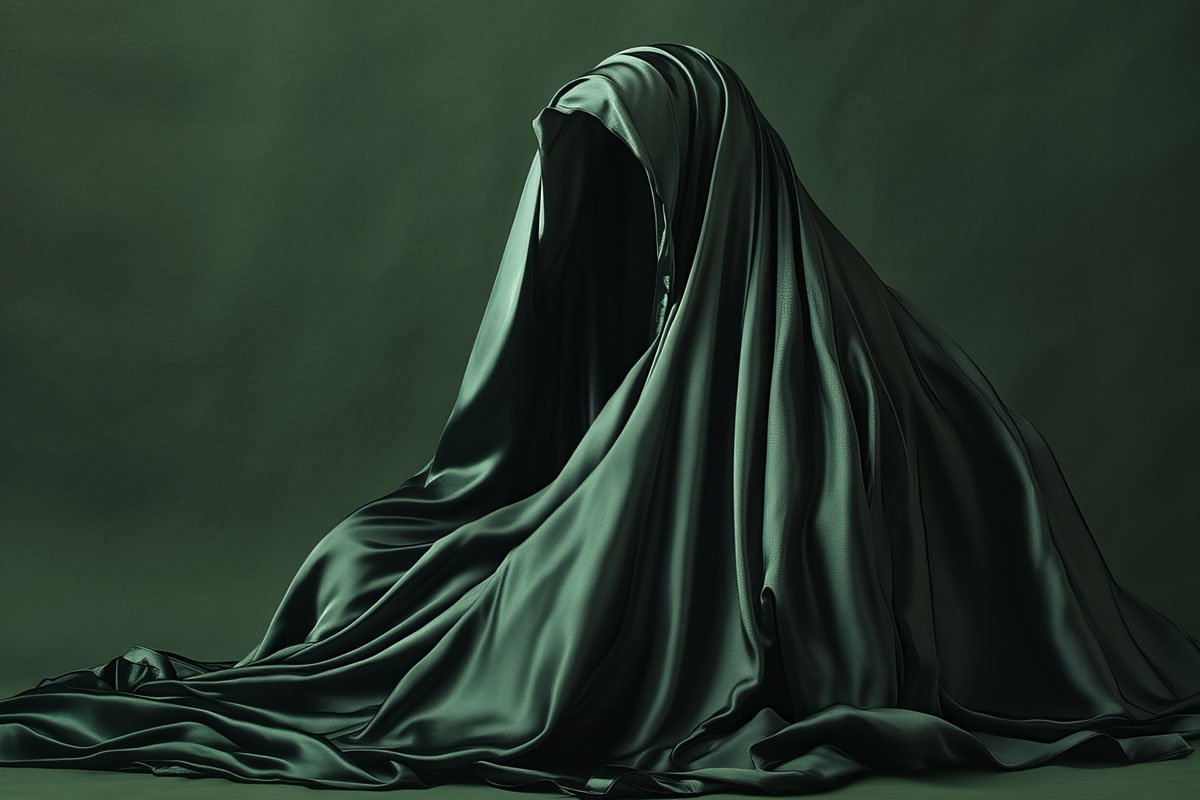
An enslaved woman belonging to second owner Clarke Woodruff. Forced into a sexual relationship with him. Had her ear cut off as punishment for eavesdropping and later wore a green turban to hide the wound.
For revenge, she baked a poisoned cake. Woodruff's wife and two daughters died. The other enslaved people hanged her and threw her body in the Mississippi River.
Guests say they see her wandering the grounds in her green turban.
The Problems With This Story
There is no record of anyone named Chloe at this plantation, which is now a bed and breakfast.
The first "sighting" of Chloe was reported in 1950—by owner Marjorie Munson. Owners have been the primary source of ghost stories here ever since.
If the Woodruff family's death was untimely based on their age, it could be they died of Yellow Fever—which was ravaging Louisiana throughout the 1830s. The slave trade created petri dishes inside of ship hulls and the disease was shipped in from the Caribbean.
The "revenge poisoning by a rebellious slave" narrative may have been invented to make sense of devastating, senseless loss.
Or it was invented much later—to sell rooms.
What's Actually Erased
This plantation was built directly on top of Tunica Indian burial grounds.
In 1796, David Bradford received a Spanish land grant and built his plantation on sacred Tunica burial sites. The official St. Francisville tourism website acknowledges this—they even use it as part of the "haunted" marketing.
Some visitors report seeing the spirit of a Native American woman in a gazebo on the property.
But these are the types of ghosts this project hopes to highlight—because this is Native American land. So who is this woman, what tribe is she from, what era is she from? Details about BIPOC people in these stories get so easily lost.
This is Choctaw and Houma land. Real people were enslaved here. Their names, their stories, their experiences? Undocumented or lost.
What we do know:
Nearly 200,000 Native Americans were enslaved in America between 1801-1850¹
Louisiana had extensive Indigenous enslavement that's rarely discussed.¹ If "Chloe" existed at all, she may not have been African American—she could have been Native American. Indigenous slaves were often undocumented because their enslavement wasn't legally recognized the same way.
This land could actually be haunted and the story would be much spookier if they were willing to acknowledge the history of the land. During an episode of Ghost Hunters the hunters do not acknowledge race and spent most of the episode dealing with an employee's performance issues.
Who Gets Remembered?
A white plantation owner's dramatic death on the stairs.
A watered down slave story about someone who drew white blood and then revenge was enacted by her own people. In reality this sounds like a story slavers would spread to warn against violence against slave owners.
These become the face of this plantation.
Meanwhile:
• The Tunica people whose burial grounds were desecrated to build this plantation: a footnote in the haunted marketing
• Real enslaved people who built this wealth: unnamed
• The Choctaw and Houma people displaced from this land: unmentioned
• The actual violence of slavery here: sanitized into a spooky revenge tale
The pattern: An invented ghost story replaces the real history of Indigenous displacement and Black enslavement.
The green turban is easier to sell than genocide.
